


Feeling under the weather is stressful enough without also having to figure out where to go for care. Telehealth and urgent care both handle non-emergency needs, but they're built for different situations. Knowing which one fits your symptoms helps you get seen faster, spend less, and skip the guesswork.
When Telehealth Makes Sense
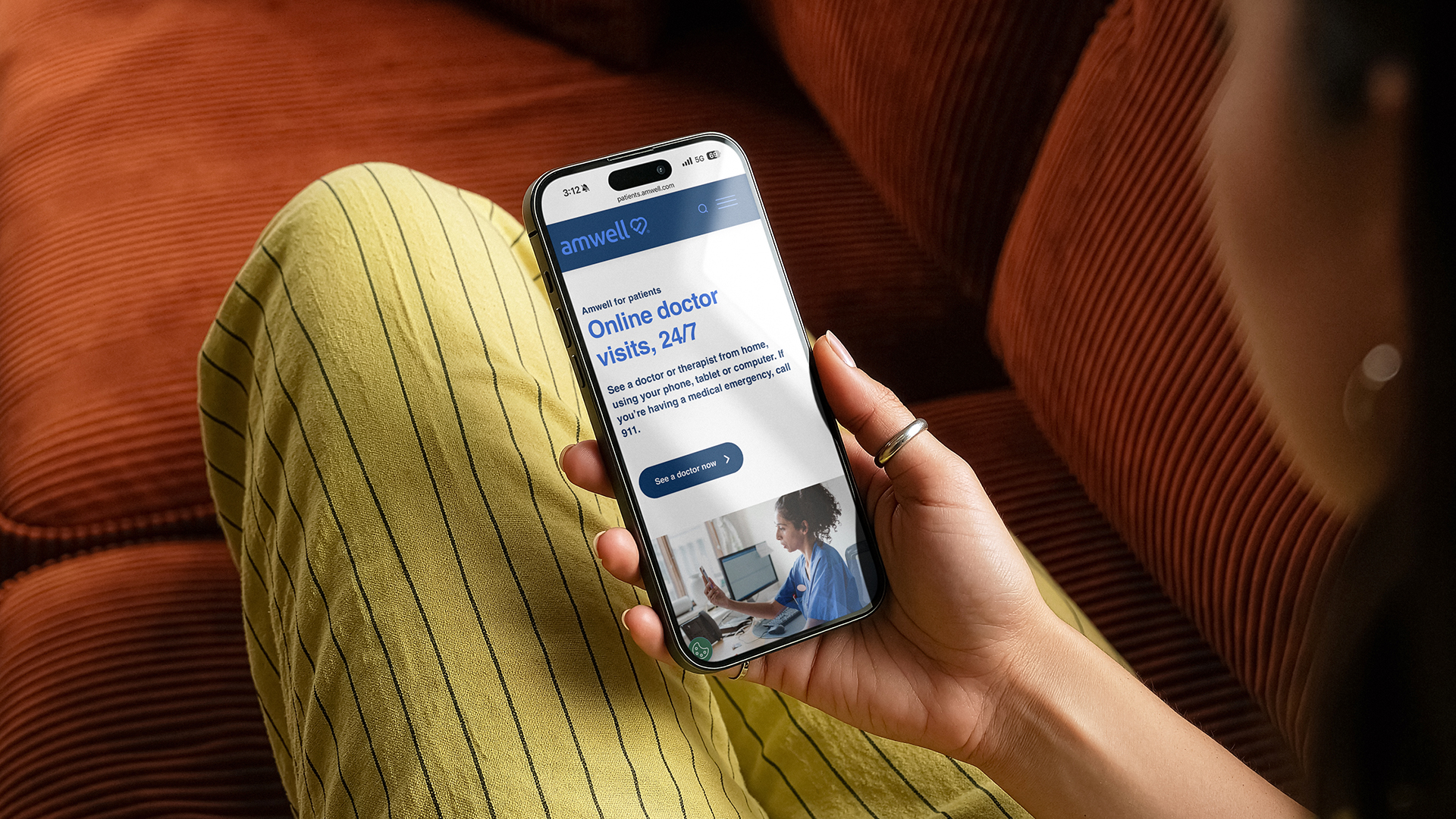
Telehealth is built around convenience. Through WeShare Health's partnership with Amwell Telemedicine, Members can connect with a licensed provider by phone or video without leaving home---a good fit for anyone juggling a full schedule.
This healthcare option works best for non-urgent illnesses that don't require diagnostic testing or physical exams. Common use cases include colds, flu-like symptoms, sinus infections, minor infections that may need prescription medication, dermatological concerns like rashes or acne, and mental or emotional health appointments. It's also a great fit for services we don't always think of as "virtual," such as nutrition or dietitian visits, medication management, or follow-up appointments where hands-on exams aren't necessary.
Telehealth can serve as a first line of defense---high-quality physicians can assess your symptoms, offer guidance, and help determine whether in-person care would be more appropriate after an initial evaluation---all without unnecessary trips or costs.
When In-Person Urgent Care Is the Better Call
Urgent care clinics are also designed for non-urgent situations but shine when a physical exam or diagnostic testing is needed. If your symptoms require labs, imaging, or a hands-on assessment to reach an accurate diagnosis, urgent care is often the better choice. These clinics are a convenient and affordable alternative to primary care or emergency rooms for minor injuries and common illnesses that need testing.
Urgent care is especially useful for last-minute or unexpected health issues when your primary care provider isn't available, all typically coming at a lower cost than emergency care for minor conditions. For those visits, WeShare Health Members can use a CVS MinuteClinic location for a $10 consult fee, or a standard urgent care visit for $50---both a fraction of what urgent care typically costs without a Sharing Program.
A Simple Rule of Thumb
If a medical issue can be diagnosed by talking and looking, start with telehealth. If you have a concern that needs to be touched, tested, or imaged, head to urgent care. And if it's life-threatening, always go to the emergency room or call 911, as neither is designed to replace emergency care. This article isn't medical advice, but general guidance to help you make informed decisions about your care. Every WeShare Member can take advantage of Amwell Telehealth services for virtual visits and CVS MinuteClinic locations for in-person care, making it easier to choose the right option when non-urgent health needs arise.
Not sure which option fits your situation? WeShare Health Member Services can help you decide before you schedule. Reach out any time at members@wesharehealth.org.